On farms, colostrum is treated as essential from the moment it appears, a highly protected first milk with a naturally concentrated composition. Its rarity and multi-component profile have made it an ingredient of growing interest in modern cosmetic science. Understanding how colostrum is collected, handled and prepared helps explain why quality, traceability and gentle processing matter so much in this space.
How is colostrum collected from dairy cows?
Colostrum is produced only in the few days after calving, making it one of the rarest materials in the dairy world. The calf always receives the colostrum it needs first. Only genuine surplus, colostrum not required by the calf, is collected, typically within a short window after calving when the colostrum is at its most naturally concentrated.
Colostrum is collected separately from the main milk supply and handled with care to protect its natural composition.
How do producers ensure colostrum is free from contaminants and antibiotics?
Quality assurance begins on the farm and this is where Elm Lab’s standards come into full effect.
As long-standing suppliers to Fonterra, our dairy shed is routinely inspected and audited to ensure it meets strict food-safety, hygiene and animal welfare requirements. These inspections cover plant sanitation, milk handling protocols and environmental controls, giving us an independently verified foundation for ingredient quality.
Before any surplus colostrum is collected, we complete a visual and health check on the cow and confirm she has not received dry-cow therapy or any treatment that would withhold her milk from supply. These steps ensure the colostrum is eligible for processing before it leaves the farm.
After collection, the colostrum is rapidly cooled and frozen. It remains frozen until it reaches our specialist processing partner, where it undergoes gentle lyophilisation (freeze-drying). Testing is carried out on the finished powder to confirm it meets the required standards for cosmetic use.
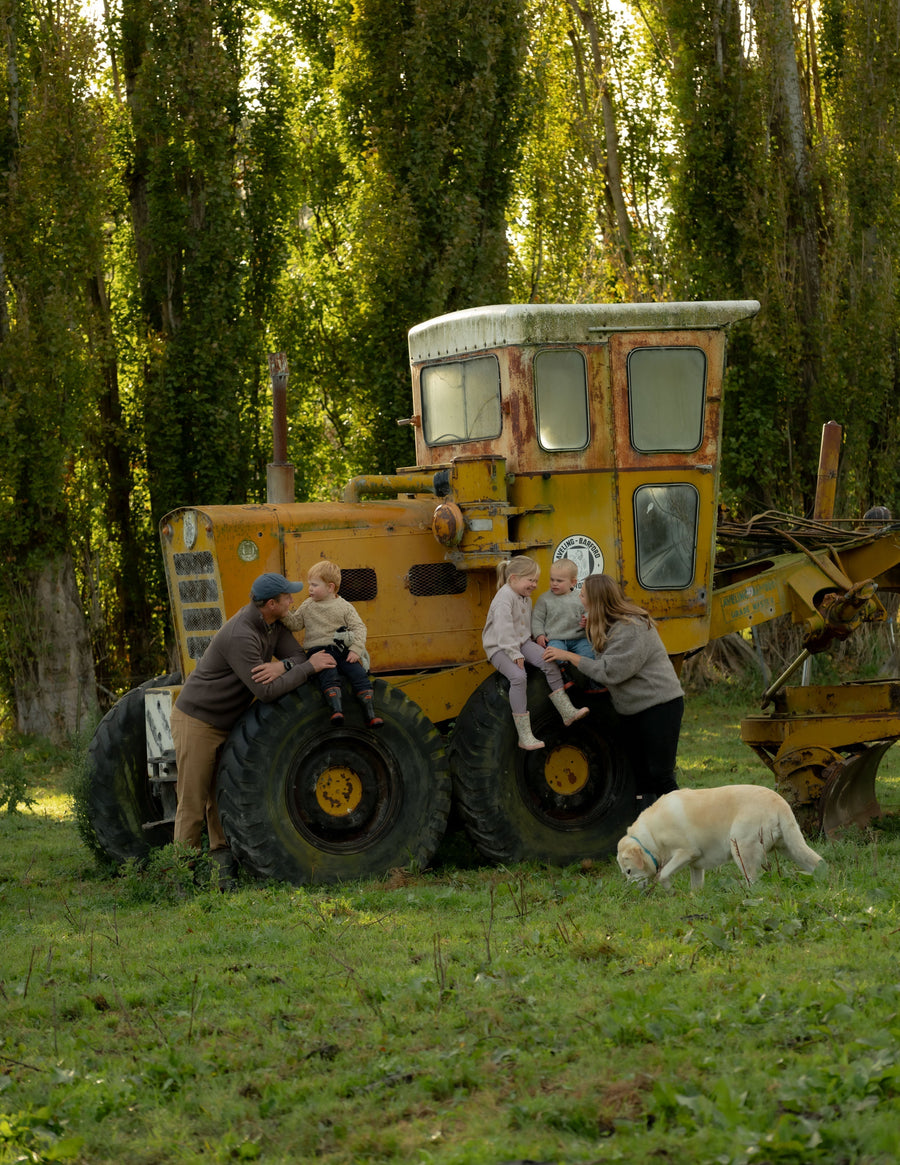
Our traceability extends beyond processing. We do not buy in feed; our cows eat only what we grow on our own farm. This closed loop system supports consistent nutrition, animal welfare and full visibility over the inputs that shape the quality of our colostrum.
Does processing affect the naturally occurring components in colostrum?
Colostrum contains a wide spectrum of naturally occurring proteins, peptides, fats and micronutrients. These components are sensitive to heat and handling, which is why producers use gentle, controlled methods designed to preserve the material’s natural profile as much as possible.
In cosmetic contexts, the focus is not on “potency”, a term associated with therapeutic claims but on maintaining the character and composition of the ingredient. Processes such as low-temperature handling and careful drying techniques, help protect its naturally rich makeup while preparing it for use in topical formulations.
How is colostrum packaged to maintain freshness and shelf life?
Once processed, often into a powder or concentrated liquid, colostrum is packaged in airtight, light-protective containers to help maintain stability. Moisture control is especially important, as colostrum’s natural components can be sensitive to humidity. At Elm Lab, we use packaging designed to protect the ingredient during transport and storage, ensuring our formulators and manufacturers receive a material that retains its intended characteristics.
How is colostrum tested for quality and safety?
At Elm Lab, each batch of freeze-dried colostrum is accompanied by a Certificate of Analysis from our specialist processing partner. This document verifies the ingredient’s microbiological profile, moisture content, appearance and physical characteristics. It provides full traceability from farm to finished powder and confirms that the material meets strict specifications for cosmetic use.
Is there a difference between A1 and A2 colostrum?
A1 and A2 refer to variants of the beta-casein protein naturally present in cow’s milk. A2 cows produce only the A2 form. While both types of colostrum share the same broad categories of proteins, fats and micronutrients, their beta-casein profiles differ.
At Elm Lab, we work exclusively with A2 colostrum from our own herd on the Taieri Plain. This reflects our commitment to gentle, barrier-first skincare and complete traceability from farm to formulation.
Summary
Colostrum is a rare, naturally rich ingredient whose value begins long before it reaches a laboratory. From careful collection on the farm to gentle freeze-drying and batch testing, each step is designed to preserve its natural complexity and ensure quality. As interest in multi-component, nature derived ingredients grows, colostrum stands out for its depth, integrity and connection to place, qualities we honour in every Elm Lab formulation.